|
|
 |
| Ray tracing |
 |
One of the things I always wanted to implement was a ray tracing algorithm.
So I started with that.
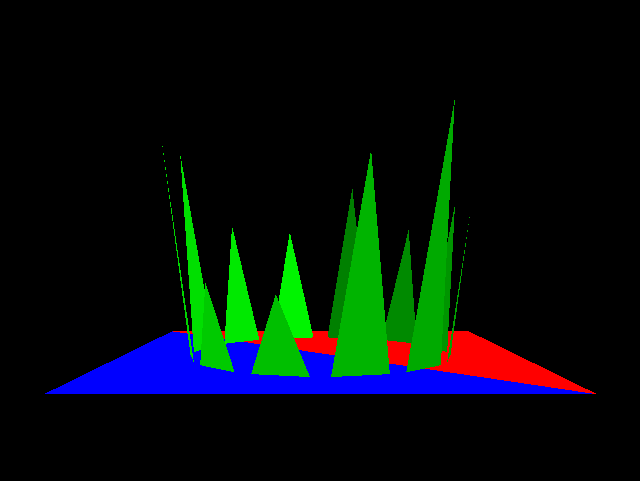
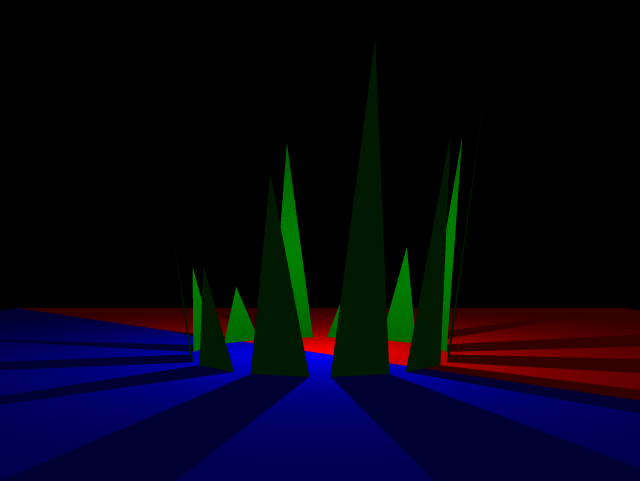
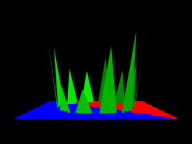
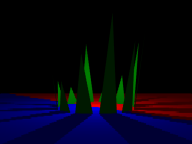
First, ray casting with triangles (click to enlarge):
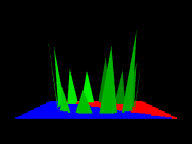
In the above image, the green triangles are a bit jagged.
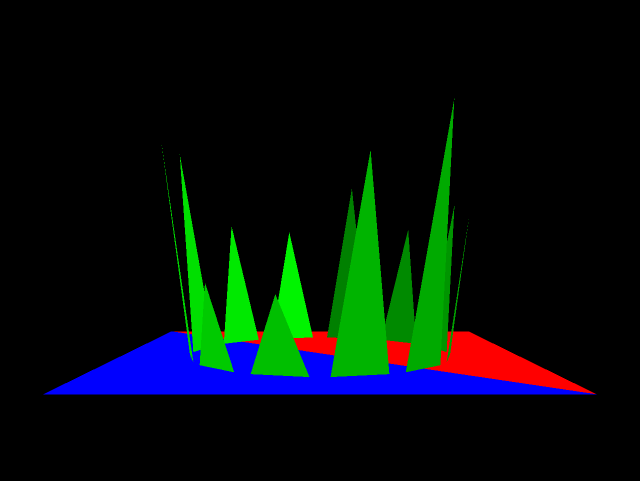
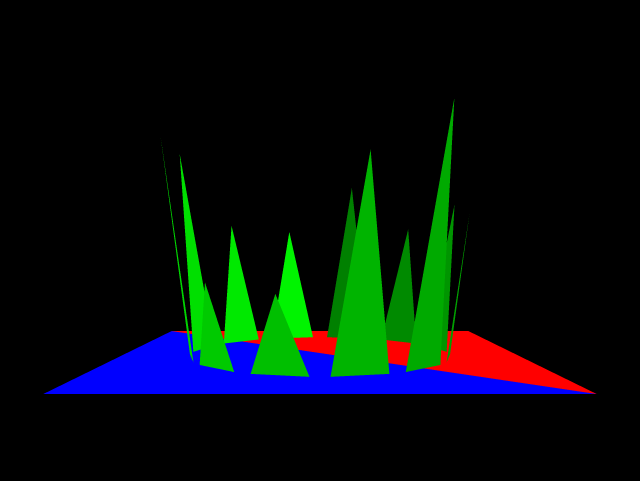
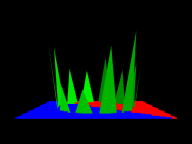
So I added anti-aliasing (that, unfortunately, adds a lot of time to calculations).
The two images below show 2x2 and 4x4 anti-aliasing.
It turns out, that usually 2x2 or 3x3 anti-aliasing is the best trade-off between quality and speed.
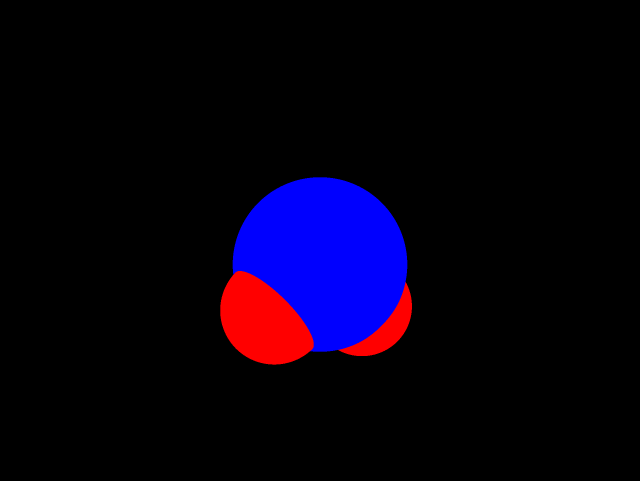
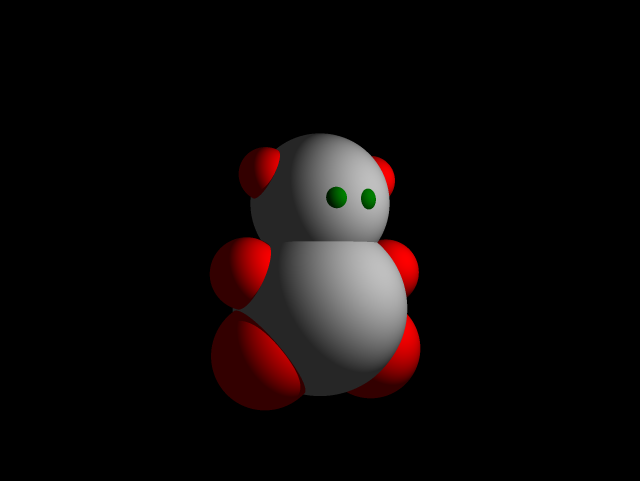
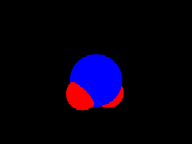
Next, I added spheres:
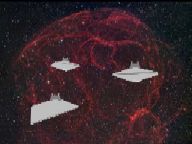
And an optional background:
But still, all of the above were based on simple ray casting and the images aren't so terrific.
So, I decided to add shadows as the next step; and this starts to be a true ray tracing algorithm.
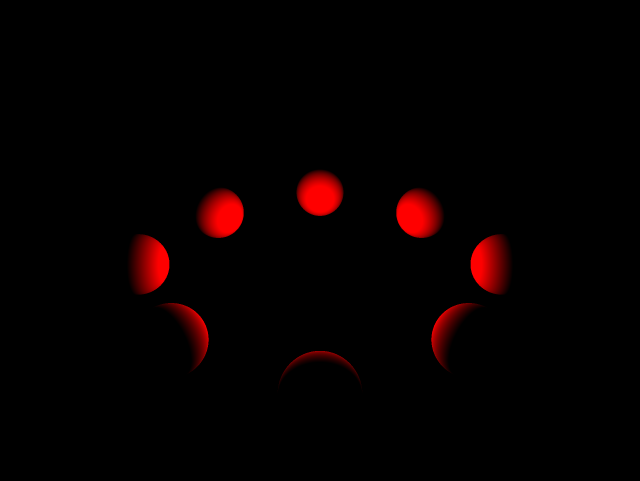
First, light intensity was changed depending on the angle to the source of light.
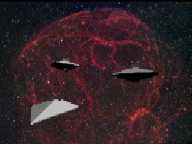
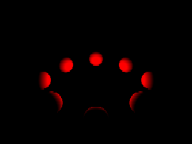
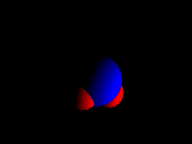
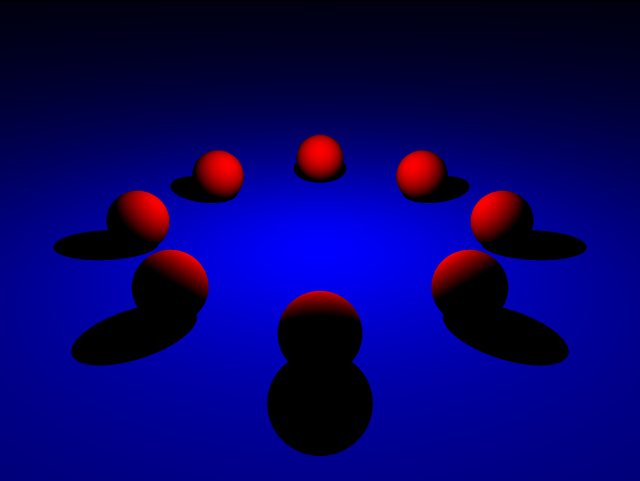
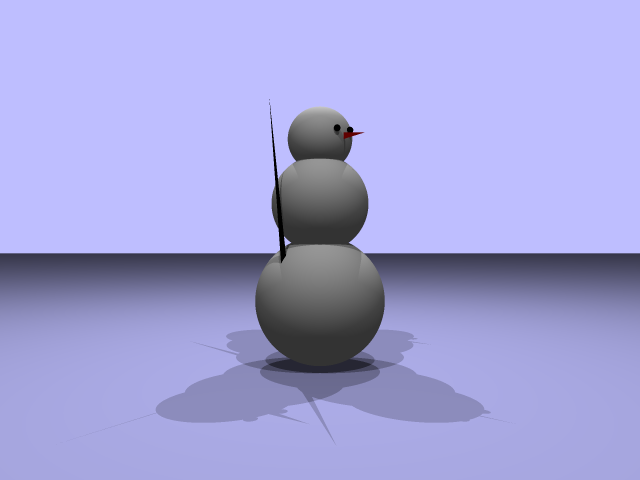
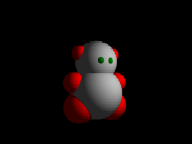
Next, calculate shadows:
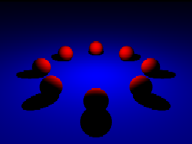
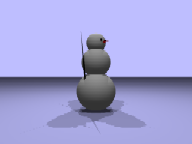
And add ambient light so that shadows aren't so dark:
And we can show multiple sources of light:
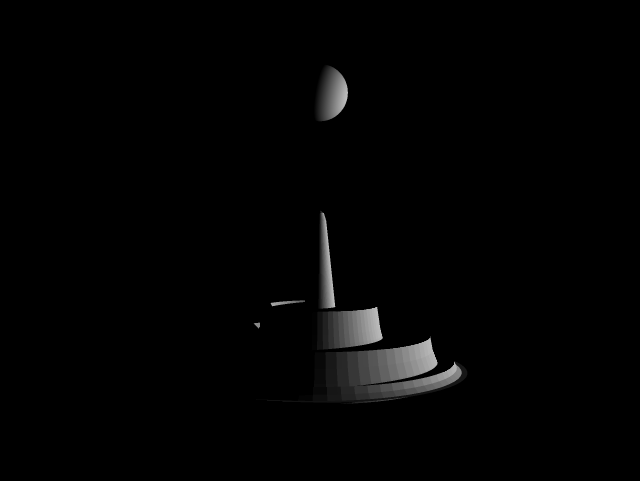
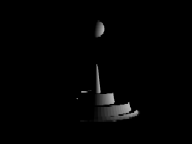
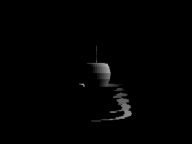
Rotary surfaces:
More to come shortly...
Top
|
|
|
|